

Kindness and compassion in Islam mean showing love, mercy, and care to all people. Islam teaches believers to be gentle in words and actions. Being kind is not just a good habit; it is an important part of faith. The Quran and Hadith strongly encourage mercy, forgiveness, and helping others.
In today’s busy and stressful life, many people search for inner peace and spiritual comfort. Islam offers a beautiful solution through kindness and compassion. When we treat others with mercy, our hearts feel lighter. These values bring calmness, happiness, and a strong connection with Allah.
This collection of 50+ beautiful quotes on kindness and compassion in Islam highlights powerful Islamic teachings. These quotes inspire good character and positive behavior. They remind us that kindness is a path to spiritual peace. By practicing compassion, we can improve our lives and the lives of others.
Quranic Verses on Kindness
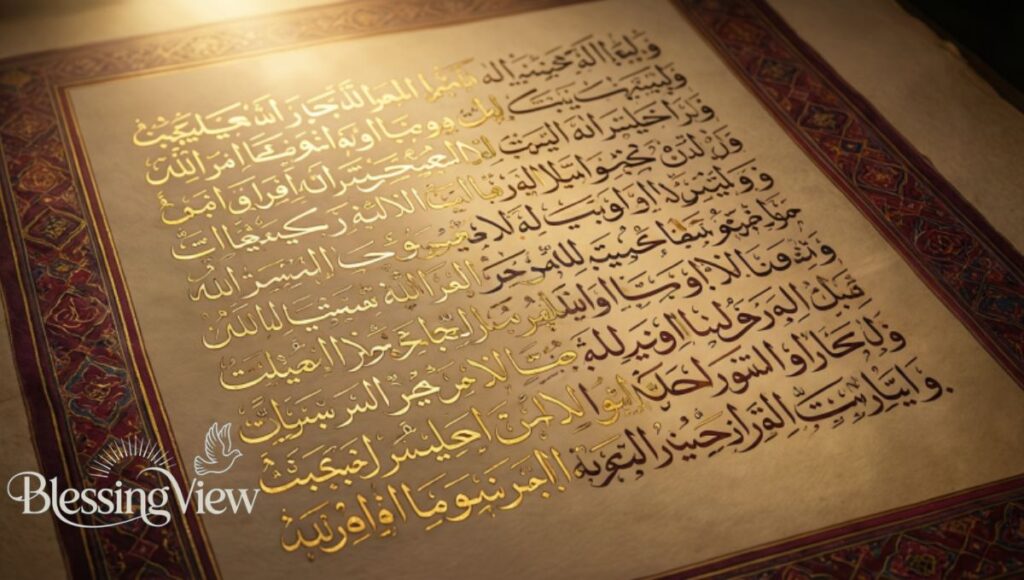
The Quran emphasizes kindness as a fundamental virtue that should guide our interactions with all of creation. From showing compassion to parents and neighbors to extending mercy to strangers and even animals, these divine verses illuminate the path of gentleness and benevolence. Through acts of kindness, believers draw closer to Allah and embody the beautiful character that Islam calls us to cultivate. Let these verses inspire us to spread goodness and tenderness in every aspect of our lives.
Surah Al-Baqarah (2:83)
وَإِذْ أَخَذْنَا مِيثَاقَ بَنِي إِسْرَائِيلَ لَا تَعْبُدُونَ إِلَّا اللَّهَ وَبِالْوَالِدَيْنِ إِحْسَانًا وَذِي الْقُرْبَىٰ وَالْيَتَامَىٰ وَالْمَسَاكِينِ وَقُولُوا لِلنَّاسِ حُسْنًا
This verse establishes the foundation of kindness in Islamic ethics, commanding believers to show goodness to parents, relatives, orphans, and the needy. It emphasizes that kind speech to all people is a divine obligation, not merely a suggestion. The verse directly connects worship of Allah with the compassionate treatment of others, demonstrating that faith and kindness are inextricably linked.
Surah An-Nisa (4:36)
وَاعْبُدُوا اللَّهَ وَلَا تُشْرِكُوا بِهِ شَيْئًا وَبِالْوَالِدَيْنِ إِحْسَانًا وَبِذِي الْقُرْبَىٰ وَالْيَتَامَىٰ وَالْمَسَاكِينِ وَالْجَارِ ذِي الْقُرْبَىٰ وَالْجَارِ الْجُنُبِ وَالصَّاحِبِ بِالْجَنبِ وَابْنِ السَّبِيلِ
This comprehensive verse extends the circle of kindness to include neighbors, companions, and travelers. It teaches that excellence in character must reach beyond family to embrace the entire community. The inclusion of different types of neighbors near and distant shows that kindness should be universal, transcending boundaries of familiarity and relationship.
Surah Al-Isra (17:23)
وَقَضَىٰ رَبُّكَ أَلَّا تَعْبُدُوا إِلَّا إِيَّاهُ وَبِالْوَالِدَيْنِ إِحْسَانًا إِمَّا يَبْلُغَنَّ عِندَكَ الْكِبَرَ أَحَدُهُمَا أَوْ كِلَاهُمَا فَلَا تَقُل لَّهُمَا أُفٍّ وَلَا تَنْهَرْهُمَا وَقُل لَّهُمَا قَوْلًا كَرِيمًا
This verse beautifully illustrates kindness through the specific example of elderly parents, forbidding even the slightest expression of irritation. It sets an incredibly high standard for compassionate behavior, teaching that true kindness is patient and gentle even in challenging circumstances. The verse reminds us that those who once cared for us deserve our utmost respect and tenderness in their vulnerability.
Surah Al-Baqarah (2:177)
لَّيْسَ الْبِرَّ أَن تُوَلُّوا وُجُوهَكُمْ قِبَلَ الْمَشْرِقِ وَالْمَغْرِبِ وَلَٰكِنَّ الْبِرَّ مَنْ آمَنَ بِاللَّهِ وَالْيَوْمِ الْآخِرِ وَالْمَلَائِكَةِ وَالْكِتَابِ وَالنَّبِيِّينَ وَآتَى الْمَالَ عَلَىٰ حُبِّهِ ذَوِي الْقُرْبَىٰ وَالْيَتَامَىٰ وَالْمَسَاكِينَ وَابْنَ السَّبِيلِ وَالسَّائِلِينَ وَفِي الرِّقَابِ
This verse redefines righteousness as going beyond ritual to include active kindness through giving despite one’s own need. It emphasizes that true faith manifests in generosity toward the vulnerable—orphans, the poor, travelers, and those in bondage. The verse teaches that kindness isn’t passive sympathy but requires sacrifice and action, demonstrating that genuine spirituality is measured by how we treat others.
Surah Ar-Rahman (55:60)
هَلْ جَزَاءُ الْإِحْسَانِ إِلَّا الْإِحْسَانُ
This concise and powerful verse establishes the divine principle of reciprocity in kindness. It promises that goodness begets goodness, both in this life and the hereafter. The verse encourages believers to practice excellence in their dealings with others, knowing that Allah rewards kindness with kindness, creating a beautiful cycle of compassion and grace.
Surah Al-Mumtahanah (60:8)
لَّا يَنْهَاكُمُ اللَّهُ عَنِ الَّذِينَ لَمْ يُقَاتِلُوكُمْ فِي الدِّينِ وَلَمْ يُخْرِجُوكُم مِّن دِيَارِكُمْ أَن تَبَرُّوهُمْ وَتُقْسِطُوا إِلَيْهِمْ إِنَّ اللَّهَ يُحِبُّ الْمُقْسِطِينَ
This verse breaks barriers by commanding kindness and justice even toward those of different faiths. It shows that Islamic ethics transcend religious boundaries when dealing with peaceful people. The verse teaches that fairness and benevolence should define our interactions with all humanity, as Allah loves those who are just and kind regardless of the recipient’s background.
Surah An-Nahl (16:90)
إِنَّ اللَّهَ يَأْمُرُ بِالْعَدْلِ وَالْإِحْسَانِ وَإِيتَاءِ ذِي الْقُرْبَىٰ وَيَنْهَىٰ عَنِ الْفَحْشَاءِ وَالْمُنكَرِ وَالْبَغْيِ يَعِظُكُمْ لَعَلَّكُمْ تَذَكَّرُونَ
This verse commands justice and excellence (ihsan) as divine orders, placing kindness at the heart of moral conduct. Ihsan represents going beyond what is required, showing kindness even when not obligated. The verse positions kindness and justice as the foundation of a righteous society, while forbidding indecency and oppression, creating a framework for human dignity.
Surah Al-Balad (90:17-18)
ثُمَّ كَانَ مِنَ الَّذِينَ آمَنُوا وَتَوَاصَوْا بِالصَّبْرِ وَتَوَاصَوْا بِالْمَرْحَمَةِ
This verse beautifully connects faith with mutual encouragement toward patience and mercy. It shows that kindness isn’t just an individual virtue but a collective responsibility where believers support each other in compassion. The verse teaches that communities thrive when members actively remind and inspire one another to be merciful, creating a culture of sustained kindness.
Surah Al-Insan (76:8-9)
وَيُطْعِمُونَ الطَّعَامَ عَلَىٰ حُبِّهِ مِسْكِينًا وَيَتِيمًا وَأَسِيرًا إِنَّمَا نُطْعِمُكُمْ لِوَجْهِ اللَّهِ لَا نُرِيدُ مِنكُمْ جَزَاءً وَلَا شُكُورًا
This passage describes the righteous who feed others despite their own need, seeking nothing in return except Allah’s pleasure. It exemplifies the purest form of kindness selfless, unconditional, and sincere. The verse teaches that true compassion doesn’t seek recognition or reciprocation, but serves the needy with humility and love for the sake of the Divine alone.
Surah Al-Ma’un (107:1-3)
أَرَأَيْتَ الَّذِي يُكَذِّبُ بِالدِّينِ فَذَٰلِكَ الَّذِي يَدُعُّ الْيَتِيمَ وَلَا يَحُضُّ عَلَىٰ طَعَامِ الْمِسْكِينِ
This powerful chapter identifies the absence of kindness as a sign of denying faith itself. It condemns those who repel orphans and neglect feeding the poor, showing that faith without compassion is hollow. The verse serves as a stark reminder that kindness to the vulnerable isn’t optional in Islam it’s the very proof of one’s belief and the measure of one’s sincerity.
Prophetic Traditions (Hadith) on Compassion
The Mercy to All Creation
الراحمون يرحمهم الرحمن ارحموا من في الأرض يرحمكم من في السماء
The Prophet ﷺ teaches that divine mercy is conditional upon showing mercy to others. This hadith establishes a direct connection between our earthly compassion and heavenly reward. It reminds us that mercy shouldn’t be selective but universal, extending to all creatures on earth. When we embody compassion, we invoke Allah’s infinite mercy upon ourselves.
Compassion Defines Faith
لا يؤمن أحدكم حتى يحب لأخيه ما يحب لنفسه
This fundamental hadith makes compassion inseparable from faith itself, stating that belief is incomplete without wishing good for others. It sets an extraordinary standard where self-love and love for others must be equal. The tradition teaches empathy as the cornerstone of Islamic brotherhood, transforming compassion from a virtue into a requirement of faith. True belief manifests when we genuinely desire for others what we desire for ourselves.
The Splitting of Mercy
إن الله خلق الرحمة يوم خلقها مائة رحمة فأمسك عندنا تسعا وتسعين وأرسل في خلقه كلهم رحمة واحدة
The Prophet ﷺ reveals that the compassion we witness in creation is merely one part of a hundred, with ninety-nine reserved for the Hereafter. This hadith shows that even the limited mercy we experience a mother’s love, a stranger’s kindness is but a glimpse of divine compassion. It inspires hope that Allah’s ultimate mercy far exceeds anything we can imagine, encouraging us to trust in His boundless grace.
Compassion Removes Hardship
من نفس عن مؤمن كربة من كرب الدنيا نفس الله عنه كربة من كرب يوم القيامة
This powerful hadith promises divine relief to those who relieve others’ suffering. It teaches that our compassionate acts create a reciprocal relationship with Allah’s mercy. The tradition emphasizes that helping someone through their worldly distress earns protection from the agonies of Judgment Day. Compassion becomes not just charity but an investment in eternal peace.
The Gentle Heart
إنما يرحم الله من عباده الرحماء
The Prophet ﷺ declares that Allah’s mercy is specifically granted to those who are merciful themselves. This concise statement makes compassion the key that unlocks divine favor. It reminds us that hardheartedness distances us from Allah’s grace, while tenderness draws us near. The hadith motivates believers to cultivate mercy as the pathway to divine acceptance and love.
Compassion for Animals
بينما رجل يمشي بطريق اشتد عليه العطش فوجد بئرا فنزل فيها فشرب ثم خرج فإذا كلب يلهث يأكل الثرى من العطش فقال الرجل لقد بلغ هذا الكلب من العطش مثل الذي كان بلغ مني فنزل البئر فملأ خفه ماء فسقى الكلب فشكر الله له فغفر له
This beautiful narration tells of a man granted Paradise for giving water to a thirsty dog, showing that compassion transcends species. The hadith teaches that mercy to animals carries tremendous spiritual weight in Islam. It demonstrates that no act of kindness is too small in Allah’s sight, and even creatures without speech deserve our empathy. True compassion recognizes the sanctity of all life.
The Mother’s Compassion as Example
جاء رجل إلى رسول الله صلى الله عليه وسلم ومعه صبي فجعل يضمه إليه فقال النبي صلى الله عليه وسلم أترحمه قال نعم قال فالله أرحم بك من رحمتك به وهو أرحم الراحمين
The Prophet ﷺ uses parental love as a window to understand Allah’s infinitely greater mercy. This hadith comforts believers by showing that divine compassion surpasses even the most tender human love. It teaches that if we can feel such deep mercy for our children, Allah’s mercy toward us is incomparably vast. This realization should fill our hearts with hope and gratitude.
Smiling as Charity and Compassion
تبسمك في وجه أخيك صدقة
The Prophet ﷺ elevates the simple act of smiling to the status of charity, showing that compassion need not be grand or costly. This hadith democratizes kindness, making it accessible to everyone regardless of wealth. It teaches that emotional warmth and friendly countenance are forms of giving that brighten others’ lives. Even the smallest gesture of warmth carries spiritual reward and spreads compassion.
Compassion in Times of Anger
ليس الشديد بالصرعة إنما الشديد الذي يملك نفسه عند الغضب
The Prophet ﷺ redefines strength as self-control during anger, linking true power with compassion and restraint. This hadith challenges the worldly notion that aggression equals strength. It teaches that responding with patience and mercy when provoked is the highest form of courage. Compassion in difficult moments reveals the depth of one’s character and faith.
The Compassionate Will Receive Compassion
من لا يرحم الناس لا يرحمه الله
This reciprocal principle makes divine mercy dependent on human compassion toward others. The hadith serves as both a promise and a warning mercy begets mercy, but harshness invites distance from Allah’s grace. It motivates believers to examine their treatment of people, knowing their eternal fate is connected to their earthly kindness. Compassion becomes the bridge between human interaction and divine acceptance.
Compassion Over Ritual Perfection
بينما رجل يمشي فاشتد عليه العطش فنزل بئرا فشرب منها ثم خرج فإذا هو بكلب يلهث يأكل الثرى من العطش فقال لقد بلغ هذا مثل الذي بلغ بي فملأ خفه ثم أمسكه بفيه ثم رقي فسقى الكلب فشكر الله له فغفر له قالوا يا رسول الله وإن لنا في البهائم أجرا قال في كل كبد رطبة أجر
The Prophet ﷺ emphasizes that compassion toward every living being carries reward, making mercy universal. This hadith expands our circle of concern beyond humans to encompass all creatures with life. It teaches that Allah values the intention and act of kindness regardless of the recipient’s status. Every compassionate deed, no matter how humble, is recorded and rewarded in the sight of Allah.
Quotes from Islamic Scholars & Caliphs
Imam Ali ibn Abi Talib (رضي الله عنه) “He who has a thousand friends has not a friend to spare, and he who has one enemy will meet him everywhere.”
Imam Ali’s wisdom teaches that genuine friendship is rare and precious, while enmity spreads its poison widely. This quote emphasizes the importance of cultivating sincere relationships built on trust and compassion rather than superficial connections. It reminds us that creating enemies through harshness has far-reaching consequences, while true friends rooted in kindness are invaluable treasures that sustain us through life’s trials.
Umar ibn al-Khattab (رضي الله عنه) “I fear the day when the disbelievers are proud of their tolerance and the Muslims are proud of their intolerance.”
The second Caliph’s profound insight warns against the reversal of Islamic values, where mercy and tolerance should define believers. This quote serves as a timeless reminder that Islam’s essence is compassion, not rigidity or harshness. It challenges Muslims to embody the Prophet’s gentle character and challenges us to reflect whether our actions honor or betray the merciful spirit of our faith.
Imam al-Ghazali, “The heart is a polished mirror. You must wipe it clean of the veil of dust that has gathered upon it, because it is destined to reflect the light of divine secrets.”
Al-Ghazali teaches that spiritual purity requires constant refinement through compassion and self-awareness. This quote emphasizes that hearts hardened by cruelty or indifference cannot receive divine wisdom and mercy. It reminds us that kindness, forgiveness, and gentleness polish the heart, making it receptive to Allah’s guidance. Only through purifying our hearts with compassion can we truly understand and embody the divine attributes.
Ibn Qayyim al-Jawziyya “The heart that beats with love for Allah will never harden towards His creation.”
Ibn Qayyim beautifully connects love of the Creator with compassion toward creation. This quote teaches that genuine devotion to Allah naturally manifests as kindness to all beings. It suggests that hardheartedness toward people indicates a deficiency in one’s relationship with Allah. True spirituality softens the heart and makes it a fountain of mercy, reflecting the divine compassion we seek.
Rabia al-Basri “O Allah! If I worship You for fear of Hell, burn me in Hell, and if I worship You in hope of Paradise, exclude me from Paradise. But if I worship You for Your Own sake, grudge me not Your everlasting Beauty.”
Rabia’s profound words elevate worship beyond reward and punishment to pure love and devotion. This quote teaches that the highest form of compassion is loving Allah for His own sake, not for personal gain. It demonstrates that true spiritual maturity transcends self-interest and embraces selfless devotion. Her words inspire us to purify our intentions and seek connection with the Divine through unconditional love.
Imam Malik ibn Anas “Knowledge is not by narrating much. Rather, knowledge is a light that Allah places in the heart.”
Imam Malik reminds us that true understanding comes from spiritual illumination, not mere accumulation of information. This quote emphasizes that knowledge without compassion and wisdom is hollow. It teaches that authentic Islamic scholarship should soften hearts and increase mercy, not breed arrogance or harshness. The light of knowledge should guide us toward greater kindness, humility, and service to others.
Hasan al-Basri “The world is three days: yesterday has gone with all that was done; tomorrow, you may never reach; but today is for you, so do what you should do today.”
Hasan al-Basri’s timeless wisdom urges us to practice compassion in the present moment. This quote teaches that procrastinating kindness is a form of spiritual negligence. It reminds us that we only have today to make a difference, to show mercy, to heal wounds, and to serve others. The call to action is urgent compassion delayed may be compassion denied forever.
Ibn Taymiyyah “The heart becomes sick, as the body becomes sick, and its remedy is repentance and protection. It becomes rusty as a mirror becomes rusty, and its clarity is obtained by remembrance.”
Ibn Taymiyyah offers a medical metaphor for spiritual health, where compassion and remembrance heal the heart. This quote teaches that just as physical illness requires treatment, spiritual hardness requires the medicine of repentance and divine remembrance. It emphasizes that hearts rust through neglect and cruelty but regain their shine through mercy, forgiveness, and constant awareness of Allah.
Imam Abu Hanifa “If it were not for two qualities, I would consider myself the greatest man alive: I have never envied anyone, and I have never backbitten anyone.”
Abu Hanifa highlights two forms of compassion freedom from envy and protecting others’ honor through silence. This quote teaches that true greatness lies in purifying the heart of jealousy and the tongue of slander. It demonstrates that compassion manifests not only in active kindness but also in restraining ourselves from harm. Protecting others’ dignity is among the highest expressions of mercy.
Uthman ibn Affan (رضي الله عنه) “If our hearts were pure, we would never have enough of the words of Allah.”
The third Caliph connects spiritual purity with insatiable love for divine revelation. This quote teaches that compassionate, purified hearts find endless nourishment in Allah’s words. It suggests that those who tire of the Quran may have hearts clouded by harshness or worldliness. The remedy is cultivating mercy and kindness, which open the heart to receive and cherish divine guidance eternally.
Sufyan al-Thawri “Generosity is giving when you are in need yourself.”
Sufyan al-Thawri defines the pinnacle of compassion as sacrificing for others despite personal difficulty. This quote challenges superficial charity and calls for deep, sacrificial kindness that costs us something. It teaches that true compassion is tested when resources are scarce, not abundant. The highest form of mercy is giving from our own need, trusting that Allah will provide and honor such selfless love.
Why Kindness Matters for Mental Health

The Tranquility of a Gentle Heart
إن الرفق لا يكون في شيء إلا زانه ولا ينزع من شيء إلا شانه
The Prophet ﷺ teaches that gentleness beautifies everything it touches, while harshness damages and diminishes. This hadith reveals that kindness creates inner peace and emotional well-being by harmonizing our relationships and environments. When we practice gentleness, we cultivate tranquility within ourselves and spread calm to those around us. Mental health flourishes in atmospheres of kindness, where hearts feel safe, valued, and at peace.
The Healing Power of Good Character
إن من أحبكم إلي وأقربكم مني مجلسا يوم القيامة أحاسنكم أخلاقا
The Prophet ﷺ emphasizes that good character brings closeness to him and divine favor, creating profound psychological comfort. This hadith shows that moral excellence—rooted in kindness—provides purpose and self-worth, essential for mental wellness. When we embody noble character, we experience the satisfaction of living authentically and meaningfully. This alignment between values and actions creates inner harmony that protects mental health.
The Weight of Kind Words
الكلمة الطيبة صدقة
The Prophet ﷺ elevates kind words to acts of charity, showing their immense value in Islam and their impact on mental well-being. This simple hadith reminds us that speaking gently costs nothing yet yields tremendous psychological benefits for both speaker and listener. Kind speech reduces stress, builds connections, and creates environments of emotional safety. Every good word is an investment in collective mental health and spiritual reward.
Smiling Away Sadness
تبسمك في وجه أخيك لك صدقة
The Prophet ﷺ prescribes smiling as a form of charity, recognizing its powerful effect on mood and relationships. This hadith acknowledges that simple acts of warmth combat loneliness and depression in ourselves and others. Smiling releases positive emotions, strengthens social bonds, and creates ripples of joy in communities. Mental health improves when we live in cultures of warmth rather than coldness and isolation.
The Burden of Anger
لا تغضب ولك الجنة
The Prophet ﷺ repeatedly advised against anger, linking emotional regulation with Paradise and mental peace. This concise command recognizes that unchecked anger destroys inner tranquility and relationships, leading to psychological distress. Managing anger through patience and kindness protects our mental health and that of those around us. The reward of Paradise reflects the heavenly peace we experience when we master our emotions with compassion.
The Relief in Relieving Others
من نفس عن مسلم كربة من كرب الدنيا نفس الله عنه كربة من كرب يوم القيامة
The Prophet ﷺ promises that alleviating others’ distress brings divine relief to our own anxieties and burdens. This hadith reveals a therapeutic truth: helping others heals our own hearts and minds. Acts of kindness release endorphins, create purpose, and shift focus from our worries to others’ needs. Mental health thrives when we’re connected to something larger than ourselves through compassionate service.
The Community’s Mental Shield
مثل المؤمنين في توادهم وتراحمهم وتعاطفهم مثل الجسد إذا اشتكى منه عضو تداعى له سائر الجسد بالسهر والحمى
The Prophet ﷺ describes believers as one body, emphasizing collective empathy and mutual support for mental wellness. This hadith teaches that healthy communities function like healthy organisms, where each member’s pain is shared and addressed. Social support systems rooted in kindness and compassion are crucial protective factors against mental illness. When we care for each other with genuine empathy, we create resilient communities where mental health is nurtured.
The Simplicity of Contentment
من أصبح منكم آمنا في سربه معافى في جسده عنده قوت يومه فكأنما حيزت له الدنيا
The Prophet ﷺ defines true wealth as safety, health, and daily sustenance, teaching gratitude as a foundation for mental peace. This hadith combats anxiety and depression by reframing success away from endless accumulation toward simple contentment. Practicing gratitude for basic blessings a cornerstone of kindness toward ourselves dramatically improves mental health. When we appreciate what we have, we free ourselves from the mental prison of perpetual dissatisfaction.
The Poison of Envy
إياكم والحسد فإن الحسد يأكل الحسنات كما تأكل النار الحطب
The Prophet ﷺ warns that envy consumes good deeds like fire consumes wood, revealing its destructive impact on mental health. This hadith identifies jealousy as a psychological toxin that breeds bitterness, anxiety, and discontent. Replacing envy with kindness, celebrating others’ success and practicing contentment liberates us from comparative suffering. Mental wellness requires purifying our hearts from this corrosive emotion through compassion and gratitude.
The Comfort of Trust
احفظ الله يحفظك احفظ الله تجده تجاهك
The Prophet ﷺ teaches that protecting Allah’s boundaries brings His protection and presence, offering profound psychological security. This hadith provides the ultimate anxiety remedy: trusting that Allah is aware, near, and protective. When we live with kindness and consciousness of Allah, we develop resilience against life’s uncertainties. This spiritual security is foundational to mental health, replacing fear with faith and loneliness with divine companionship.
The Medicine of Patience
ما أعطي أحد عطاء خيرا وأوسع من الصبر
The Prophet ﷺ declares patience the greatest gift, essential for navigating life’s trials without mental collapse. This hadith teaches that endurance combined with kindness toward ourselves during difficulty is crucial for psychological resilience. Patience doesn’t mean passivity but active grace under pressure, maintaining composure and hope. Mental health strengthens when we practice self-compassion through challenges, trusting that difficulties are temporary and growth is possible.
Short Quotes for Social Media Captions

On Divine Mercy “Be merciful on earth, and the One in Heaven will be merciful to you.” Prophet Muhammad ﷺ
On Kindness “Kindness is a mark of faith, and whoever is not kind has no faith.” Prophet Muhammad ﷺ
On Compassion “The most beloved of people to Allah are those who are most beneficial to people.” Prophet Muhammad ﷺ
On Forgiveness “The strong person is not the one who can overpower others, but the one who controls himself when angry.” Prophet Muhammad ﷺ
On Generosity “The believer’s shade on the Day of Resurrection will be his charity.” Prophet Muhammad ﷺ
On Patience “No one has been given a better gift than patience.” Prophet Muhammad ﷺ
On Good Character “The best among you are those who have the best manners and character.” Prophet Muhammad ﷺ
On Hope “Verily, with hardship comes ease.” Qur’an 94:6
On Unity “The believers, in their love, mercy, and kindness to one another are like a body: if any part feels pain, the whole body responds with sleeplessness and fever.” Prophet Muhammad ﷺ
On Gratitude “He who does not thank people, does not thank Allah.” Prophet Muhammad ﷺ
On Inner Peace “Remember Allah, and find peace in the remembrance of Allah, do hearts find rest.” Qur’an 13:28
Frequently Asked Questions
What is kindness and compassion in Islam?
Kindness and compassion in Islam mean showing mercy, love, and respect to all people as taught in the Quran and Sunnah.
Why are kindness and compassion important in Islam?
They are core Islamic values that strengthen faith and bring Allah’s pleasure and inner peace.
What does the Quran say about kindness and compassion in Islam?
The Quran repeatedly encourages mercy, forgiveness, and good behavior toward others.
How did Prophet Muhammad (PBUH) teach kindness and compassion?
He showed kindness through his actions, words, forgiveness, and care for all people.
How can Muslims practice kindness and compassion daily?
By helping others, speaking gently, forgiving mistakes, and supporting those in need.
Is kindness in Islam only for Muslims?
No, Islam teaches kindness and compassion toward all humans and even animals.
What rewards does Islam promise for kindness and compassion?
Islam promises great rewards, forgiveness, and blessings from Allah for kind actions.
How do kindness and compassion lead to peace in Islam?
They calm the heart, reduce hatred, and build strong, peaceful relationships.
Are small acts of kindness valued in Islam?
Yes, even small acts like smiling or kind words are considered charity in Islam.
How do kindness and compassion reflect strong faith in Islam?
A kind and compassionate heart shows sincerity, humility, and closeness to Allah.
Conclusion
Kindness and compassion are at the heart of Islam and guide believers toward a peaceful life. These values teach us to be gentle, patient, and caring in every situation. They help heal hearts and build strong relationships. Through kindness, faith becomes more meaningful.
The quotes shared in this collection remind us of Islam’s beautiful message of mercy. They inspire us to treat others with love and respect. By practicing compassion daily, we find inner peace. This path leads us closer to Allah and true spiritual calm.

Jack William Ki has 4 years of experience writing blogs on blessings and prayers. Passionate about inspiring others, he now contributes his insights and devotion to BlessingView.com, sharing positivity and spiritual guidance