

Living in peace is one of the most powerful gifts we can offer the world. The words “Blessed are the peacemakers” remind us to choose calm over conflict. It teaches us to respond with kindness even when life feels heavy. This message still guides hearts today.
Peacemakers inspire unity, healing, and understanding wherever they go. Their actions show the true strength that comes from patience and love. When we choose peace, we create space for hope and restoration. This simple yet deep teaching can transform how we live every day.
What Does “Blessed Are the Peacemakers” Mean in the Bible?
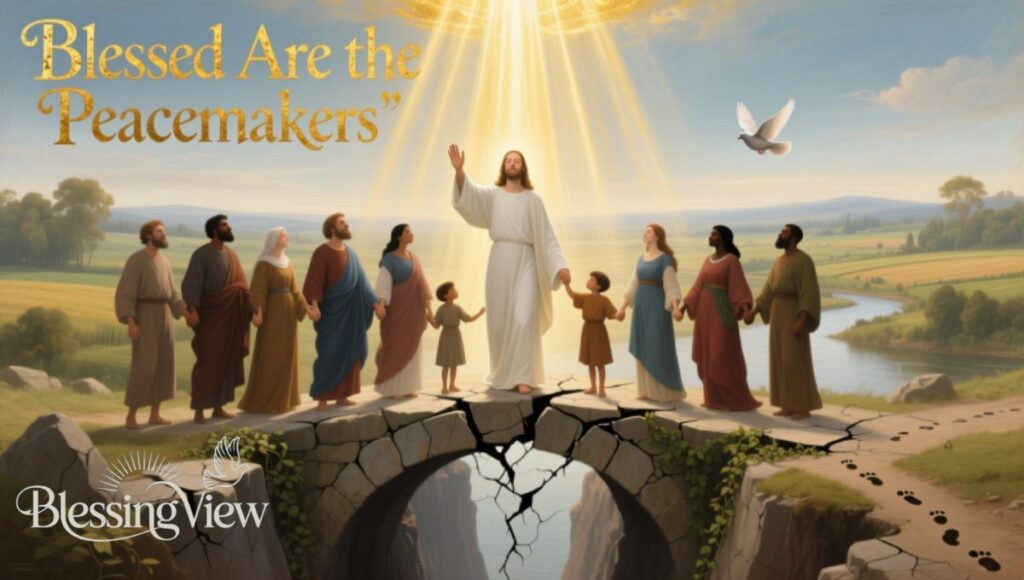
When Jesus spoke these transformative words in the Sermon on the Mount, He was unveiling a profound spiritual truth that reaches far beyond simply avoiding arguments or maintaining quiet in difficult situations. To be blessed as a peacemaker means to actively participate in God’s restorative work in a broken world, stepping into spaces of conflict with courage, compassion, and divine wisdom. These individuals don’t just wish for harmony from a distance; they roll up their sleeves and engage in the hard, holy work of reconciliation. They bridge divides between estranged friends, heal wounds within fractured families, and bring the calming presence of Christ into chaotic circumstances. The blessing Jesus promises isn’t material prosperity or worldly recognition, but something far more valuable: the spiritual richness that comes from reflecting God’s own nature, the deep satisfaction of seeing relationships restored, and the profound joy of knowing you’re fulfilling your divine purpose on earth.
The deeper meaning reveals that peacemakers carry a special identity; they shall be called children of God. This isn’t merely a complimentary title but a declaration of family resemblance and spiritual inheritance. Just as God sent His Son to reconcile humanity to Himself, peacemakers continue this ministry of reconciliation in their daily lives. They embody the character of their Heavenly Father, who is the ultimate source of all true peace. Throughout scripture, from Abraham’s gentle resolution of disputes to Paul’s tireless efforts to unite diverse believers, we see that peacemaking requires humility to listen deeply, wisdom to understand multiple perspectives, strength to forgive genuine hurts, and grace to extend mercy even when it’s undeserved. These blessed individuals become living testimonies of the gospel, demonstrating that God’s kingdom operates not through force or dominance, but through love that transforms hearts and builds bridges where walls once stood.
The Beatitudes and the Place of Peacemaking

The Beatitudes form a beautiful blueprint for Christian living, each blessing building upon the previous one to create a complete portrait of kingdom values. Within this sacred sequence, peacemaking holds a special position near the culmination of Jesus’s teachings. It doesn’t stand alone but flows naturally from the virtues that precede it: the meek, the merciful, the pure in heart. You cannot truly make peace without first cultivating these foundational qualities within your own spirit. This progression reveals God’s intentional design: before we can heal the brokenness between others, we must allow Him to heal the brokenness within ourselves.
Peacemaking represents the active expression of all the previous beatitudes combined. It takes the humility learned from being poor in spirit, adds the empathy gained from mourning with others, blends in the gentleness of meekness, stirs in a hunger for righteousness, seasons it with mercy, and filters it through a pure heart. When all these elements come together, they create someone capable of bringing genuine reconciliation to a hurting world. This isn’t coincidental; it reflects the interconnected nature of Christ’s teachings, where each virtue strengthens and enables the others, preparing believers to become effective ambassadors of God’s peace in every relationship and situation they encounter.
Why Jesus Said “Blessed Are the Peacemakers”
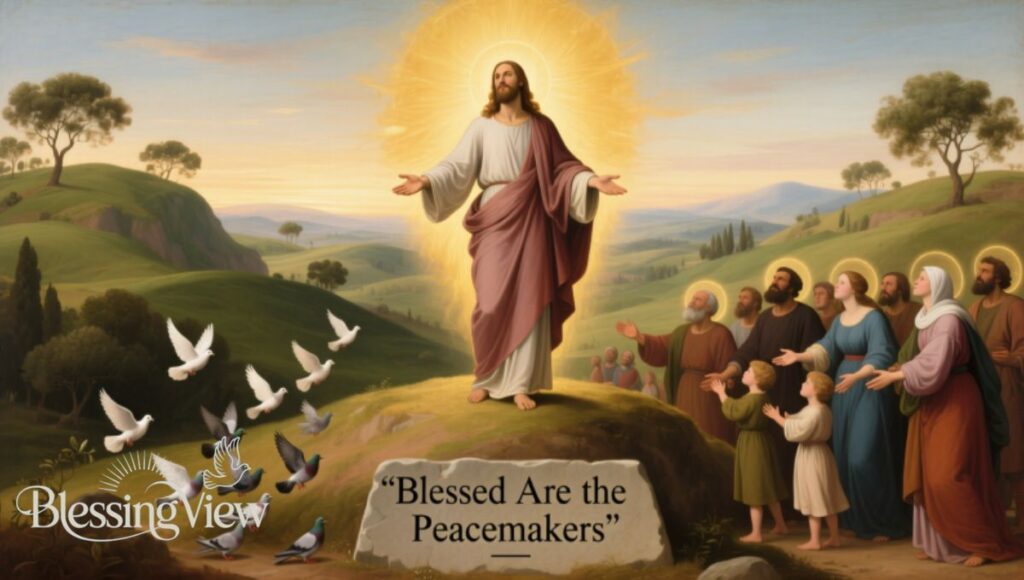
Jesus spoke these words into a world drowning in conflict, where Roman occupation had created a pressure cooker of resentment, fear, and revolutionary fervor. His Jewish listeners expected a military messiah who would violently overthrow their oppressors and establish political dominance. Instead, Jesus offered something radically different peace that transcends political boundaries and transforms hearts from the inside out. He wasn’t dismissing their suffering or denying injustice; rather, He was pointing them toward a more powerful and lasting solution. By blessing peacemakers, Jesus was redefining strength itself, showing that true power lies not in conquering enemies but in turning them into friends.
These words also revealed the Father’s own heart and character. Jesus only spoke what God commanded Him to speak, meaning this blessing on peacemakers came directly from heaven’s throne. It carried eternal weight and divine authority, establishing peacemaking not as optional kindness but as a core commandment for all who follow Christ. In a world still torn by violence, division, and hatred, this teaching remains urgently relevant. Every generation faces its own versions of conflict, cultural wars, political polarization, family feuds, church splits, and in each era, Jesus’s words echo with the same invitation: choose the narrow path of reconciliation over the broad road of retaliation, and discover the blessing that comes from reflecting your Heavenly Father’s redemptive purposes.
Peacemakers vs. Peacekeepers: What’s the Difference?

Peacekeepers and peacemakers might seem similar on the surface, but they operate from fundamentally different motivations and achieve vastly different results. A peacekeeper primarily seeks to manage conflict, to keep the lid on tensions, to maintain a superficial calm even when resentment simmers beneath. They might avoid difficult conversations, change subjects when disagreements arise, or simply separate feuding parties without addressing underlying issues. While peacekeeping has its temporary value, sometimes preventing escalation in heated moments, it rarely produces lasting transformation because it treats symptoms rather than root causes. Peacekeepers often act from fear of confrontation or discomfort with emotional intensity, preferring fragile quiet over the challenging work of genuine healing.
Peacemakers, by contrast, wade into the depths of conflict with courage and compassion, willing to endure discomfort for the sake of true reconciliation. They don’t just suppress arguments; they facilitate understanding between opposing sides. Where peacekeepers build walls of separation, peacemakers construct bridges of connection. They ask hard questions, create space for honest expression of pain, and patiently work toward heart-level resolution. This requires spiritual maturity, emotional intelligence, and reliance on the Holy Spirit’s guidance. Peacemakers understand that the spirit of contention comes from darkness, and they actively combat it not through avoidance but through love that casts out fear. Their goal isn’t merely the absence of conflict but the presence of restored relationships, mutual understanding, and renewed fellowship.
Qualities of a True Peacemaker
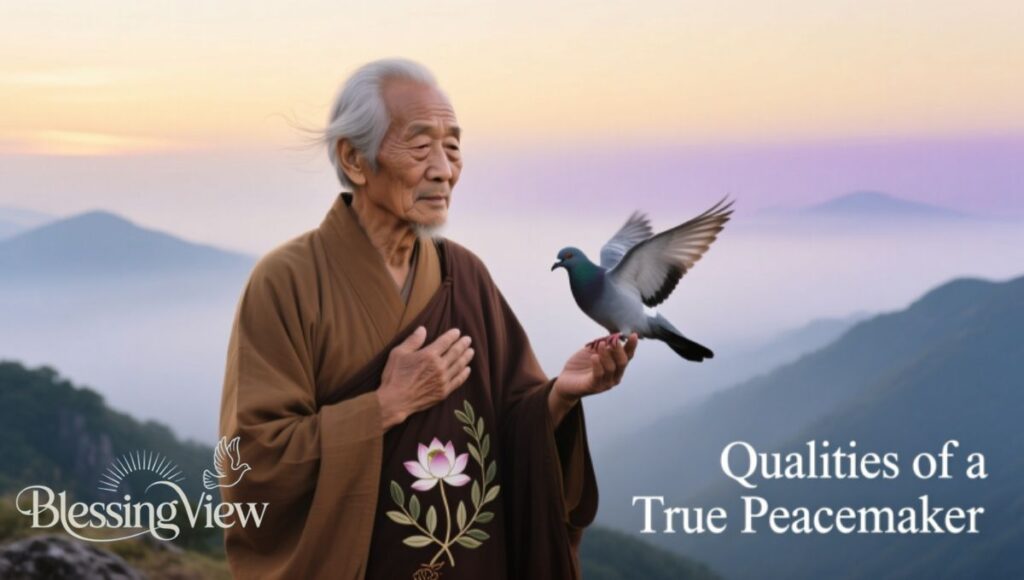
True peacemakers possess a rare combination of strength and gentleness that can only be cultivated through spiritual maturity and divine grace. They demonstrate profound humility, recognizing their own imperfections and past need for forgiveness, which enables them to extend grace generously to others. Patience marks their interactions; they don’t rush resolution or force premature reconciliation but allow healing to unfold at its proper pace. Courage defines their willingness to step into uncomfortable situations that others avoid, speaking truth with love even when it costs them personally. They listen far more than they speak, seeking first to understand rather than to be understood, creating safe spaces where people feel genuinely heard and valued despite their differences.
These blessed individuals also carry a deep love for both God and neighbor that transcends personal preferences and tribal loyalties. Their commitment to reconciliation flows from obedience to Christ rather than from a desire for popularity or conflict-free living. They’ve learned to discern the Holy Spirit’s leading, knowing when to speak and when to remain silent, when to confront and when to show patience. Integrity marks every interaction; they practice what they preach, maintaining consistency between their private character and public actions. Most importantly, peacemakers reflect Christ’s own sacrificial nature, willing to absorb pain, absorb misunderstanding, and pay personal costs for the sake of bringing others together. Through their lives, they become living demonstrations that God’s kingdom values transformation over victory, and reconciliation over being right.
Examples of Peacemakers in Scripture

The Bible overflows with stories of ordinary people who became extraordinary peacemakers through faith and obedience to God’s calling. Abraham demonstrated this beautifully when tension arose between his herdsmen and those of his nephew Lot over grazing lands. Rather than asserting his rights as the elder or fighting for the best territory, Abraham generously offered Lot first choice of the land, choosing relational harmony over material advantage. This act of selfless wisdom prevented a family fracture and modeled how God’s people should prioritize relationships over resources. Moses also stands as a towering example, repeatedly interceding between God’s righteous anger and Israel’s rebellious behavior, absorbing frustration from both directions yet persistently working to maintain the covenant relationship that held the nation together.
The New Testament continues this legacy with powerful examples of reconciliation in action. The Apostle Paul devoted his ministry to one of history’s most challenging peacemaking efforts: uniting Jewish believers and Gentile converts into one body of Christ. He faced opposition from both sides, endured persecution for his inclusive gospel, yet never wavered in his conviction that in Christ there is neither Jew nor Greek. His letters constantly addressed conflicts within churches, teaching believers how to live in unity despite their differences. Stephen, even as stones struck his body, prayed for his executioners’ forgiveness, embodying Christ’s peacemaking spirit to his final breath. These scriptural witnesses remind us that peacemaking often requires personal sacrifice and unwavering commitment to God’s vision of reconciled humanity, yet the eternal fruit of such labor far exceeds any temporary cost.
How to Apply “Blessed Are the Peacemakers” in Daily Life

Peacemaking begins in the small, everyday moments that shape our character and influence our immediate circles. In your workplace, it might mean choosing to speak well of an absent colleague rather than participating in gossip, or stepping into a tense meeting with words that defuse rather than inflame. When you encounter someone sharing complaints about another person, you can gently redirect the conversation toward understanding and a solution rather than feeding criticism. At school or in social settings, peacemaking looks like befriending the excluded student, sitting with the person eating alone, or using your influence to create inclusive environments where everyone feels valued. These aren’t dramatic gestures that win applause, but they’re the consistent choices that gradually transform culture and create ripples of healing far beyond what we can see.
Prayer forms the foundation of effective peacemaking, inviting God’s wisdom into situations that exceed our natural abilities to resolve. Before entering difficult conversations, pause to ask the Holy Spirit for discernment, grace, and the right words. Practice active listening without planning your rebuttal while others speak, genuinely seeking to understand their perspective and pain. When correction is necessary, offer it gently and privately rather than publicly shaming. Choose your battles wisely, recognizing that not every disagreement requires confrontation and that sometimes peace means graciously accepting differences. In community debates about controversial issues, speak with measured thoughtfulness rather than reactive anger, remembering that you’re addressing fellow image bearers of God. Your daily choices to respond with patience instead of irritation, with kindness instead of contempt, and with grace instead of grudges become the building blocks of a peacemaking life that honors Christ and blesses everyone you encounter.
Peacemaking in Relationships and Families

The home provides both our greatest peacemaking challenges and our most important training ground for reconciliation. Family members know our weaknesses, push our buttons, and witness our worst moments, yet these intimate relationships offer unparalleled opportunities to practice Christ’s teachings about forgiveness and unity. When your spouse speaks sharply after a stressful day, you can choose to respond with grace rather than matching their tone. When siblings argue over trivial matters, parents can teach conflict resolution skills that will serve them for life. The way you handle disagreements with your children, whether you apologize when you’re wrong, and whether you hold grudges or extend fresh starts each morning, all communicate powerful lessons about God’s character and kingdom values.
Arguments within families feel magnified because emotional stakes run so high, and our expectations of those we love create unique vulnerabilities. Yet these very conflicts, when navigated with peacemaking principles, can deepen bonds rather than damage them. Choosing to say “I was wrong, please forgive me” models humility that children will carry into their future relationships. Refusing to bring up past mistakes during current disagreements demonstrates the grace God shows us. Creating family rhythms where everyone feels heard, where apologies are normalized rather than shameful, and where reconciliation is celebrated builds a home culture that reflects heaven’s values. Your family doesn’t need perfection; it needs peacemakers willing to do the hard work of maintaining love through inevitable conflicts. When your children grow up watching you prioritize relationship over being right, they inherit not just your genetics but your legacy of peacemaking that can bless generations.
Peacemakers in a Divided World Today

Our current moment feels uniquely fractured, with political tribalism, cultural wars, racial tensions, and religious divisions creating chasms between people who share the same communities, workplaces, and even church buildings. Social media amplifies outrage and rewards the most provocative voices, while algorithms trap us in echo chambers that reinforce our existing beliefs and demonize those who disagree. Yet throughout history, every generation has faced its own version of seemingly insurmountable division, and in every era, God has raised up peacemakers who refused to accept hatred as inevitable. Leaders like Martin Luther King Jr. demonstrated that prophetic justice and reconciliation aren’t opposites but partners, that you can speak boldly against injustice while still extending grace toward those perpetrating it.
Today’s peacemakers face the challenge of bringing Christ’s reconciling love into spaces dominated by contempt and suspicion. This doesn’t mean avoiding difficult conversations about real injustices or pretending that all perspectives carry equal truth and validity. Rather, it means engaging others with the humility to listen genuinely, the courage to speak truth wrapped in love, and the wisdom to distinguish between core gospel issues and secondary matters where Christians can disagree charitably. You might be the person in your friend group who refuses to share inflammatory memes, who asks thoughtful questions instead of making assumptions, who maintains friendships across political and cultural divides. In your church, you might work to create spaces where people of differing views can fellowship without forcing uniformity. The world desperately needs believers who embody unity without uniformity, who can hold convictions firmly while treating opponents compassionately, and who demonstrate that Christ’s love transcends every human division we’ve constructed.
The Reward: “For They Shall Be Called Children of God”
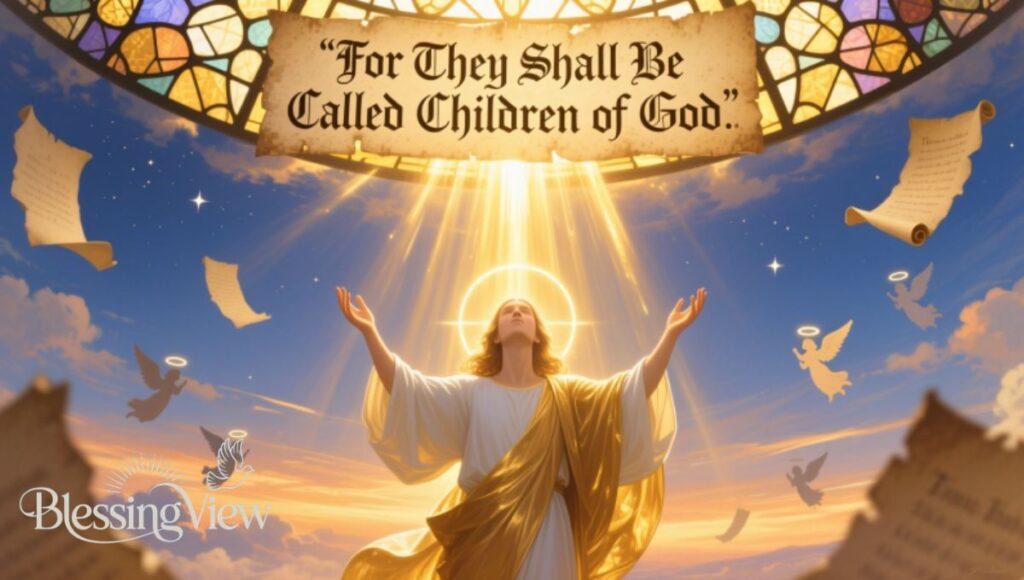
The blessing Jesus promises peacemakers isn’t wealth, fame, or earthly comfort, but something infinitely more precious: they will be recognized as God’s children, bearing the family resemblance of their Heavenly Father. This identity transcends any earthly title or achievement, speaking to our deepest human longing for belonging and significance. To be called children of God means you reflect His character in a world that desperately needs to see what He looks like. When you bring reconciliation, you’re doing the Father’s own work, participating in His mission to restore all things broken by sin. This isn’t merely metaphorical adoption but a profound spiritual reality where your peacemaking becomes evidence of divine DNA, proof that you belong to the One who reconciled humanity to Himself through Christ’s sacrifice.
This reward also carries eternal dimensions that extend far beyond our earthly lifetimes. While peacemaking often costs us in the present through misunderstanding, exhaustion, and the pain of absorbing others’ conflicts, God promises that such faithful service won’t go unnoticed or unrewarded. Being called His children means inheriting His kingdom, dwelling in His presence forever, and experiencing the complete, unshakable peace that surpasses human understanding. Every difficult conversation you navigate with grace, every relationship you help restore, every bridge you build between divided people adds to the eternal weight of glory being prepared for you. The peacemaking work that seems so costly now will be revealed as the wisest investment you ever made, and the identity you cultivated as God’s child on earth will define your experience throughout eternity in ways that make present sacrifices seem trivial by comparison.
Frequently Asked Questions
What does “Blessed Are the Peacemakers” mean?
It means God favors those who promote peace, kindness, and harmony.
Why did Jesus say, “Blessed Are the Peacemakers”?
Jesus wanted to teach that true strength comes from creating peace, not conflict.
How can I become a peacemaker in daily life?
Practice patience, forgive quickly, and respond with calmness.
What Bible verse says “Blessed Are the Peacemakers”?
This phrase comes from Matthew 5:9 in the Beatitudes.
Why are peacemakers called children of God?
Because their actions reflect God’s character of love and unity.
What qualities make someone a true peacemaker?
Patience, empathy, understanding, and self-control.
What lessons can we learn from “Blessed Are the Peacemakers”?
We learn the value of forgiveness, gentleness, and peaceful living.
How does living in peace affect my life?
It reduces stress, strengthens relationships, and brings inner calm.
What is the spiritual meaning of being a peacemaker?
It means choosing God’s way of love over anger and division.
How can “Blessed Are the Peacemakers” improve family relationships?
By encouraging kindness, open communication, and forgiveness.
Conclusion
Living as a peacemaker brings light and hope into a world often filled with conflict. When we choose peace over anger, we spread kindness and understanding around us. This simple choice has the power to heal hearts and build stronger bonds. It reminds us that love and calmness matter most.
Embracing the message “Blessed are the peacemakers” encourages us to act with compassion every day. Peace doesn’t mean weakness it shows true strength rooted in patience and care. When many choose peace, communities grow in unity. May we all carry this lesson forward and live with hearts full of peace.

Jack William Ki has 4 years of experience writing blogs on blessings and prayers. Passionate about inspiring others, he now contributes his insights and devotion to BlessingView.com, sharing positivity and spiritual guidance